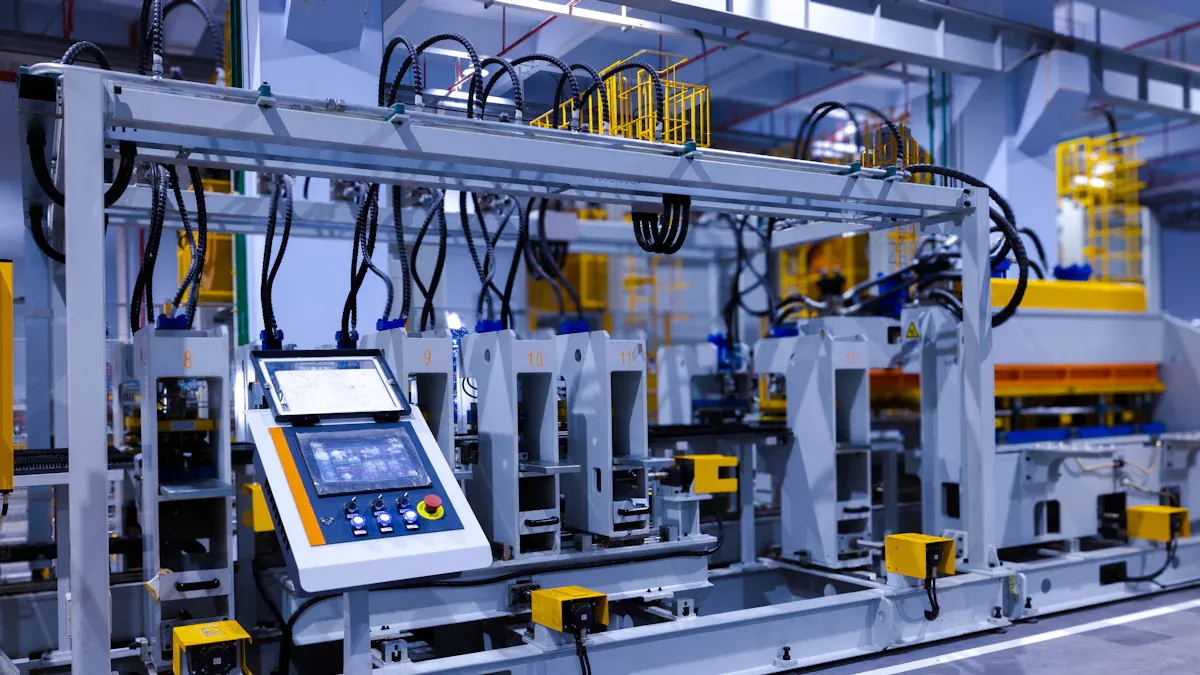
You use CT transformer to measure electrical currents accurately in automation systems. These devices give you real-time information, helping you keep everything running smoothly and safely. When you use a CT transformer, you can quickly detect overloads or short circuits, protecting your equipment from damage. CT transformer units also support energy management by monitoring devices and improving their efficiency. In industrial automation, CT transformers help you identify problems early, allowing you to fix issues and optimize your processes for better results.
Key Takeaways
Current transformers (CTs) help measure big electrical currents safely. They give real-time data to make systems work better and safer.
Picking the right CT is very important. You should think about output, size, and accuracy. This helps your automation system work its best.
It is important to check CTs often. This stops failures and keeps readings correct. Good maintenance helps you avoid expensive downtime.
CTs help protect equipment by finding overloads and short circuits. This keeps your operations working well.
Using CTs in smart grids and renewable energy systems helps manage energy better. It also helps with real-time monitoring.
Current Transformers Overview
Definition and Function
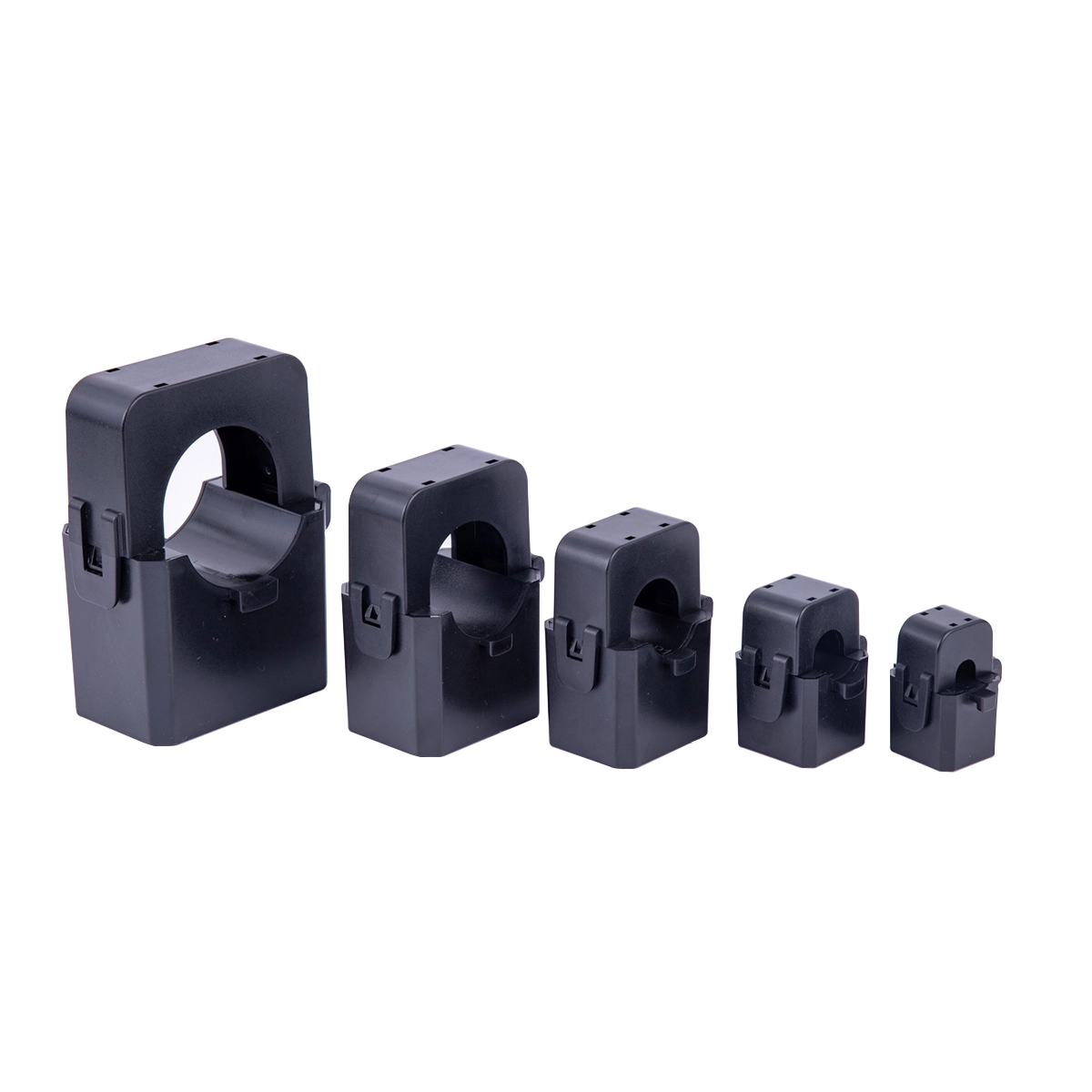
Current transformers help you measure big electrical currents safely. They make large currents smaller so you can check them easily. This means you do not have to touch dangerous voltages. When you use current transformers, you can watch how much energy you use. They also help protect machines and keep things working well.
A current transformer does more than just send signals. It keeps you safe by separating parts of the system. It also changes signals to help the power grid work safely.
You see current transformers in places like motor control centers and lighting. They help you measure alternating current, which is important for checking energy use.
In substations, current transformers lower high currents so you can measure power. This helps stop damage to equipment and makes things work better.
Types of Current Transformers
There are different types of current transformers for different jobs. The table below shows the main types, what they do, and where you use them:
Type of Current Transformer | Description | Applications |
Metering Current Transformers | Used to measure high currents safely with meters. | Power systems, billing in homes and factories. |
Protection Current Transformers | Stops circuits from getting too much current or shorting. | Power plants, factories for keeping systems safe. |
Bar-Type Current Transformers | Has a solid bar for mounting with busbars. | High-current jobs like power systems and substations. |
Cable-Type Current Transformers | Changes high current to smaller values for meters. | Checking loads in homes, businesses, and factories. |
Bushing-Type Current Transformers | Watches and protects high-voltage systems. | Substations for measuring and protecting current. |
Block-Type Current Transformers | Small design for tight spaces like control panels. | Low and medium-voltage jobs for checking and protecting. |
You may also find split core, solid core, and open core types. Split Core CTs are easy to put in because you do not need to remove wires, but they are not as exact. Solid core types are very accurate but harder to install. Open core types are light and cheap, but they do not protect or measure as well.
Picking the right current transformer makes your automation system safer and better.
Current Transformer Operation
Working Principle
You use a current transformer to measure big currents safely. The device works by electromagnetic induction. When current goes through the main wire, it makes a magnetic field in the core. The secondary winding picks up this field and makes a smaller current. This lets you measure high currents without touching dangerous voltages.
Here is how the working principle helps you in automation systems:
You can clamp a split core around a wire easily.
You measure current without taking apart the circuit.
You get correct and steady readings every time.
Aspect | Description |
Function | Changes high-voltage currents into low-voltage currents for measurement. |
Safety | Lets you measure safely without opening the circuit. |
System Impact | Has little effect on the system, so your readings stay steady. |
Main Components
You find several important parts inside current transformers. Each part has a special job to help you get safe and correct measurements.
Magnetic Core: This part makes a magnetic field from the main current.
Single-turn Primary Conductor: This wire carries the big current from your main circuit.
Many-turn Secondary Winding: This coil makes a smaller current for your meters.
Current transformers change high electrical currents into smaller signals. This keeps your energy management safe and correct. You can watch power use, find problems, and protect your equipment. The primary winding sends a current through the core, and the secondary winding gives you a safe output. This setup helps you keep your automation systems working well.
CT Transformer Applications
Current Measurement in Automation
You use ct transformer units to measure current in many ways. These devices help you check current in circuits safely. You can see how much energy your machines use. This helps you find problems early and keep things working. You avoid long stops and save money.
Some ways you use current transformers in automation are:
Measuring current in circuits
Watching energy use in factories
Finding signs of wear or trouble early
Checking how well systems work to make them better
You often use ct transformer units for energy metering and billing. They help smart meters give correct numbers. You also use them to watch power quality in factories. This helps you find power problems before they get worse. In substations, ct transformer units help with relays and finding faults. You use them in chemical plants for real-time checks. Calibration labs use ct transformer units to test other tools.
Protection and Safety
Current transformers help keep your automation systems safe. They turn high currents into smaller, safer ones. This lets you watch circuits without danger. You use ct transformer units to give relays the right data. These relays find overcurrent or short circuits fast. They protect your equipment and workers.
Current transformers help you separate bad parts quickly. This stops damage and keeps people safe. You follow rules to make sure ct transformer units work safely. Here are some important rules:
Standard | Description | Application Areas |
UL 2808 | A safety rule for retrofit energy monitoring gear, including CTs. | Split-core CTs for panelboards, switchboards, control gear, and energy monitoring. |
NEC 2017 | Says field-installed CTs must be UL listed. | For retrofit energy monitoring gear and factory-mounted CTs in boxes. |
Motor Monitoring
You use ct transformer units to watch your motors. These devices help you see if motors get the right power. If a motor uses too much current, the ct transformer warns you. This can mean overloads or faults.
Here are ways you use current transformers for motors:
Application Type | Description |
Self Balancing Differential Protection | Uses three current transformers to check each motor phase for uneven current. |
Conventional Differential Protection | Uses six current transformers, three at the motor and three at the starter, for better checks. |
Current Measurement | Current transformers check current flow and warn about imbalances. |
You can check if motors get power the right way.
You can see if a motor uses too much current.
You can watch trends and stop surprise failures.
Ct transformer units give you good accuracy and precision. They work for many current levels and give isolation. This keeps your tools safe and protects your team. Ct transformer units handle fault currents well and are small and not expensive.
Smart Grids and Renewables
You use ct transformer units for smart grids and renewable energy. These devices give you correct current checks and fault finding in substations and networks. Their accuracy helps you keep the grid steady, even with solar or wind power.
Ct transformer units are key for correct current checks and fault finding in substations and networks.
You put them in solar and wind systems to help add renewable energy.
They help keep the grid steady with real-time checks and remote control.
You use them for energy management, early fixes, and saving energy.
Smart transformers with ct transformer units let you watch systems in real time. You can control them from far away and act fast. This helps you keep the grid strong and ready for new changes.
Selecting a Current Transformer
Key Criteria
You must pick the right current transformerfor your system. The right CT helps you get good readings and keeps things safe. First, look at some important things:
Criteria | Description |
CT Output | Make sure the CT output matches your power meter (like 333mV, 5A, or 80mA). |
Conductor Size | Check if the CT fits around your conductor. |
Load Size | Pick a CT that can measure the full range of your load. |
Accuracy Rating | Use a high-accuracy CT for billing or important measurements. |
Form Factor | Choose split-core for easy installation or solid-core for better accuracy. |
Regulatory Requirements | Confirm the CT meets safety standards like UL. |
You should know the normal current and thermal rating. These help you match the CT to your system. The core and wire materials are important too. Steel and copper make the CT work better and stay cool. High insulation classes, like H, help the CT last longer.
Installation Tips
Installing your CT the right way is important. Follow these steps:
Pick a CT that fits your job. The current and size must match your system.
Connect the wires with the right ends. If you mix them up, you get wrong readings.
Some mistakes are using the wrong CT, bad grounding, or open circuits. For example, using a protection CT for measuring can cause mistakes. Always ground your CTs right to stop voltage spikes.
Maintenance
Taking care of your CTs keeps them working well. You should:
Look at the CT to see if it is broken or worn out.
Test the wires to find problems early.
Check the winding resistance to spot trouble.
Look at bushings and tap changers to see if they work.
Test oil quality if your CT uses oil.
Make sure the core is grounded to stop faults.
If you need high accuracy, check your CTs every year. For most systems, check them every two or three years. Simple systems may only need checks every three to five years.
Current Transducer and Future Trends
Data Integration
A current transducer changes electrical signals into useful data. This helps your automation system work better. You can make smarter choices and control machines more easily. First, you put the current transducer in line with your electrical load. It senses the current that goes through it. The device finds the magnetic field around the wire. It often uses a Hall-effect sensor for this. The magnetic field turns into an electrical signal. This signal matches how big the current is. The signal gets cleaned up to remove noise. This makes it more accurate. The final signal goes to your controllers or screens. You can watch and check the current there. Many current transducers also add isolation. This keeps you and your machines safe.
Factories now use more data integration. Current transducers connect with IoT and smart systems. This lets you get real-time data. You can use this data for better control. Digital transducers are replacing analog ones. They give you more accurate readings and faster data sharing.
Trend/Advancement | Description |
Digital Technologies | Make it easier to collect and share data. |
IoT Integration | Lets you handle data from many devices at once. |
Smart Transducers | Give you real-time data and system checks. |
Sensor Technology Improvements | Make your measurements more exact. |
Wireless Communication | Lets you gather data without extra wires. |
Digital Innovations
There are many new digital changes in current transducers. These help you measure current better and use less space. Passive sensing gives you more exact readings. It is also easier to set up. Smaller devices fit in tight spaces because of structural integration. You can use one current transducer for many jobs. This saves you money. Standard parts make fixing and upgrading simple. Smart technology adds digital interfaces. This helps you watch the grid better.
AI and IoT help you find problems before they happen. New materials make current transducers last longer and work better. These changes help you use energy smarter and control systems better.
Limitations and Challenges
Current transducers still have some problems. Heat can build up and hurt how well they work. You need to manage heat for long life. Electromagnetic interference can make your readings wrong. Good filters help stop this noise. Maintenance is hard because the design is complex. Skilled workers are needed to fix them.
Managing heat helps your device last longer.
Electromagnetic interference can mess up your readings.
Maintenance needs time and skill.
New solid-state designs and better materials help fix these issues. Modular designs and better insulation make current transducers safer and easier to use. You use current transformers to measure, protect, and control machines. Picking the right CT and taking care of it gives you good results. New ideas are changing how things work. The table below shows how these changes will help you:
Innovation | Impact on Industry |
Market Growth | More isolated transducers for power and EV systems |
Digital Protocols | Real-time monitoring and predictive analytics |
IoT and Cloud Platforms | Remote diagnostics and better efficiency |
Smart transformers can now change power and voltage by themselves. This helps stop waste.
Learn about new tools and ways to keep your systems working well.