
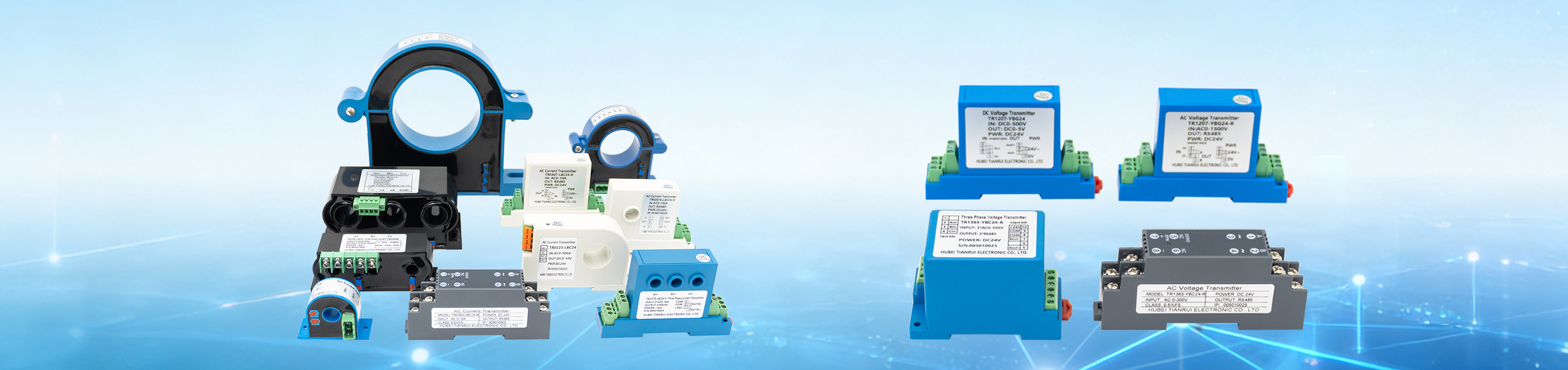
Current transducers
A current transducer is a device designed to convert primary electrical current signals—whether AC or DC—into secondary current or voltage signals that can be easily read and processed by electronic systems. These devices are essential for accurate monitoring, metering, and controlling electrical systems in various industries.
Serving Global Markets Since 1998
ISO Certified
Trusted by Leading Brands in Power Systems, E-Mobility, and Automation
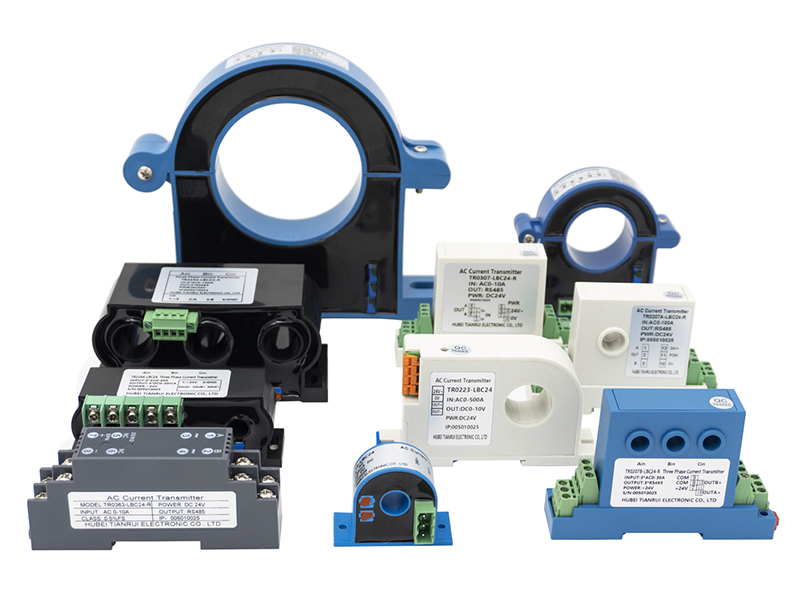
Key Benefits
High Precision
Our current transducers deliver exceptional accuracy with ppm class precision, ensuring reliable and exact current measurements for both AC and DC applications across a wide range of industries.
Strong Stability
Designed for long-term reliability, our transducers provide consistent performance even in harsh environments. With advanced EMC and overload protection, they maintain stability in demanding applications.
Fast Response
With superior dynamic response, our transducers react swiftly to changes in current, making them ideal for real-time monitoring in systems requiring quick and precise adjustments.
Easy to Use
Our current transducers are designed for seamless integration with an industry-standard 9-pin connector and quick mounting, ensuring fast setup and effortless operation in any application.
Application
Current transmitters are essential in monitoring, metering, and control systems, providing real-time data for accurate measurement, fault detection, and efficient system optimization across various industries.
Monitoring Systems
Current transducers are a cornerstone of modern monitoring systems, enabling real-time current measurement for various applications. They provide continuous data on system performance, helping detect anomalies, track trends, and ensure that all components are functioning within optimal parameters. This capability is essential in industries such as energy, manufacturing, and transportation, where early detection of issues can prevent downtime and improve system reliability.

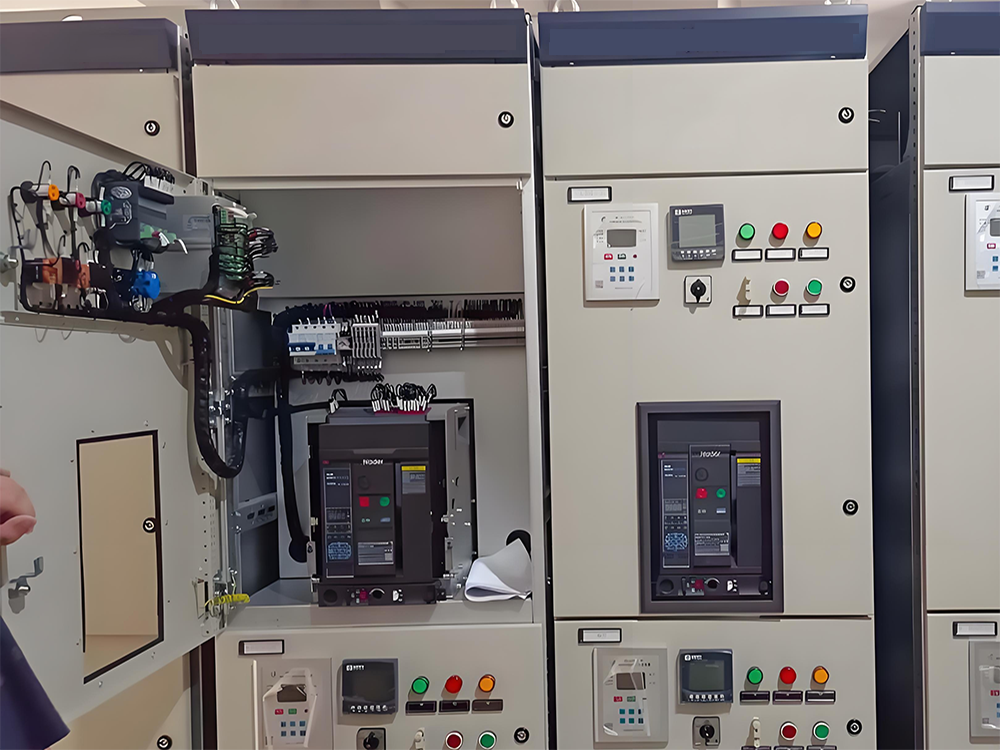
Metering Systems
In metering systems, current transducers ensure highly accurate readings for energy consumption and load monitoring. By converting primary current signals into measurable voltage or current outputs, they offer precise data for billing, system performance evaluation, and regulatory compliance. Whether in residential, commercial, or industrial settings, these transmitters enhance the effectiveness of metering systems, providing transparency and reliability in energy management.
Control Systems
Current transducers are integral to control systems, where they provide critical feedback to optimize performance. By continuously measuring the current, these devices help regulate processes, ensuring stability and efficiency. In automated systems, they enable fast response to current fluctuations, adjusting operations in real-time to prevent equipment damage or energy waste. From motor control to process automation, current transducers play a pivotal role in maintaining control and ensuring operational excellence.

Types of Current Transducers

DC Current Transducers (DCCT)
DC current transducers are designed specifically for direct current measurement. Unlike inductive methods that only work with changing (AC) signals, DCCTs use magnetic field sensing technologies such as Hall-effect, flux‑gate, or magneto‑resistive probes to detect both static and dynamic DC currents with excellent isolation and precision.
Hall‑effect sensors detect the magnetic field produced by current via the Hall effect.
Flux‑gate and magneto‑resistive probes provide higher accuracy and stability, especially in low‑noise or precision applications.

Current Transducer Output RS485
TR0363-LBC24-R is a high-performance AC current transducer/transmitter for industrial AC current monitoring. Powered by 24VDC, it features electrical isolation, high accuracy, and strong anti-interference. It converts AC current into standard 4–20mA analog signals for stable long-distance transmission. Widely used in power distribution, automation, and energy management systems for real-time current measurement and control.

AC Current Transducer Three Phase
The TR2264-LBC24 is a three‑phase AC current transducer designed for industrial power monitoring. It accurately measures three‑phase AC current and converts it into standard 4–20mA analog signals. With 24VDC power supply, electrical isolation, and strong anti‑interference performance, it is widely used in power distribution, automation, and energy management systems for reliable real‑time current detection.

AC Current Transducers (CT) Three-Phase Input
AC Current Transducers (CT) with three‑phase input are precision sensing devices designed for three‑phase AC power systems. They detect alternating current through integrated or external current transformers, isolate and convert the measured values into standard analog outputs such as 4–20 mA, 0–5 V, or 0–10 V. Featuring high linearity, strong anti‑interference, and electrical isolation, they ensure safe and stable signal transmission. Widely applied in power distribution, motor control, industrial automation, and energy monitoring, these transducers provide real‑time, reliable current data for system measurement, protection, and remote control.


Current Transducers Datasheet
- Name
- Update
- Size
- Downloads
- Thumbnail
- Download
- Copy Link
- TR2215-LBC24.pdf
- 2026-01-06
- 394KB
- 1953
-

- Download
- Copy Link

- TR0223-LBC24.pdf
- 2026-01-06
- 436KB
- 2206
-

- Download
- Copy Link
- TR0258-LKH24.pdf
- 2026-01-06
- 494KB
- 2165
-
- Download
- Copy Link
- TR2261-LKH24.pdf
- 2026-01-06
- 446KB
- 1432
-
- Download
- Copy Link
- TR2214-LKH24.pdf
- 2026-01-06
- 484KB
- 2052
-
- Download
- Copy Link
- TR2207-LBC24.pdf
- 2026-01-06
- 456KB
- 2096
-
- Download
- Copy Link
- TR2261-LKH24.pdf
- 2026-01-06
- 446KB
- 1997
-
- Download
- Copy Link
Company Advantage(Why choose us)
Backed by decades of manufacturing experience, we deliver accurate, durable transformers and dedicated support to power your critical systems.
Expertise & Experience
With over 25 years of experience in electrical measurement technology, we provide industry-leading solutions for accurate and reliable current transducers. Our expertise ensures the highest standards of quality and innovation.
Precision & Reliability
Our Current Transducers are engineered for high precision, strong stability, and fast response. We focus on delivering solutions that meet the most demanding applications, ensuring long-term reliability even in harsh environments.
Comprehensive Support

Testimonials
We’ve been using Tianrui current transducers in our energy monitoring systems, and the accuracy is spot on. They're reliable, easy to set up, and really helped streamline our operations!

Liam Smith
Tianrui transducers have been a game-changer for our automation systems. The precision is amazing, and they responded quickly to our needs. Their support made everything so easy!

Mia Garcia
FAQs
- Connect the primary conductor or current source to the transducer’s input.
- Apply a known reference current (AC or DC depending on the type).
- Measure the transducer’s output signal (voltage or current).
- Compare the output with the expected value based on the transducer’s ratio and specifications.
- Check linearity, accuracy, and response under different loads to ensure it meets requirements.
Contact Us
Have questions or need assistance? Reach out to our team, and we’ll be happy to help!
Related Blogs

What Is The Purpose of A Current Transducer?
The purpose of a current transducer is to measure electrical current in a power system or electronic circuit and convert it into a standardized and usable output signal. This output signal is typically a low level analog signal such as voltage or current that can be easily processed by control systems, monitoring equipment, or data acquisition devices. By transforming high or varying currents into a safe and proportional signal, a current transducer enables accurate measurement, system protection, and effective control in a wide range of applications.
Read More
What Is A Voltage Transducer Used For?
A voltage transducer is a device that senses electrical voltage and transforms it into a standardized output signal, allowing the voltage to be safely and accurately monitored, controlled, or recorded by measurement and data acquisition systems.It plays a critical role in electrical and electronic systems where direct measurement of high or unstable voltages is impractical or unsafe. By transforming voltage levels into proportional analog or digital signals, voltage transducers enable precise monitoring, protection, and automation across a wide range of industries.
Read More
What Is A Voltage And Current Transducer?
A voltage and current transducer is a measuring device used to sense electrical voltage or current in a power system and convert it into a standardized and proportional output signal. These transducers are designed to allow high voltage or high current values to be safely monitored by low level control, protection, or data acquisition systems. By transforming electrical quantities into usable signals, voltage and current transducers play an essential role in monitoring, control, and protection across electrical and electronic applications.
Read More
What Is An AC Current Transducer?
An AC current transducer, also known as an AC current sensor or transmitter, is a specialized electronic device designed to convert alternating current (AC) signals of varying magnitudes into standardized, low-level output signals (typically DC voltage or current, such as 0–10 V or 4–20 mA). This conversion enables seamless integration of AC current measurements into data acquisition systems, control panels, and industrial automation platforms, where precise, stable, and compatible electrical signals are required for monitoring, analysis, and regulation.
Read More Related Videos
Keep in Touch With Us
Interested in our current transducers? Whether you're looking for detailed product information, quotes, or assistance with selection, our team is ready to help. Fill out the form below, and we’ll get back to you promptly with the best solution for your needs.
Mob:+86-17805154960
E-mail:export@hbtianrui.com
