Views: 0 Author: Site Editor Publish Time: 2025-11-25 Origin: Site
When dealing with high electrical currents, accuracy and safety are paramount. But how do you choose the right Miniature Current Transformer (CT) for your system?
Miniature CTs are essential for reducing high currents to a safe, measurable value, ensuring optimal system performance. In this guide, we’ll discuss the key factors to consider when selecting the perfect CT for your needs. You'll learn about their functions, types, and the best practices for installation.

A Miniature Current Transformer works by stepping down the high primary current in an electrical circuit to a smaller, measurable secondary current. This is achieved through electromagnetic induction, where the primary current generates a magnetic field within the CT’s core. This magnetic field then induces a proportional current in the secondary winding, which can be safely measured without exposing any equipment to high voltage levels.
The ability to safely step down high currents makes Miniature CTs vital in scenarios where measuring high currents directly would present safety risks or potentially damage sensitive equipment. For example, in power distribution systems, CTs are employed to monitor currents flowing through power lines, which could otherwise cause harm to monitoring instruments.
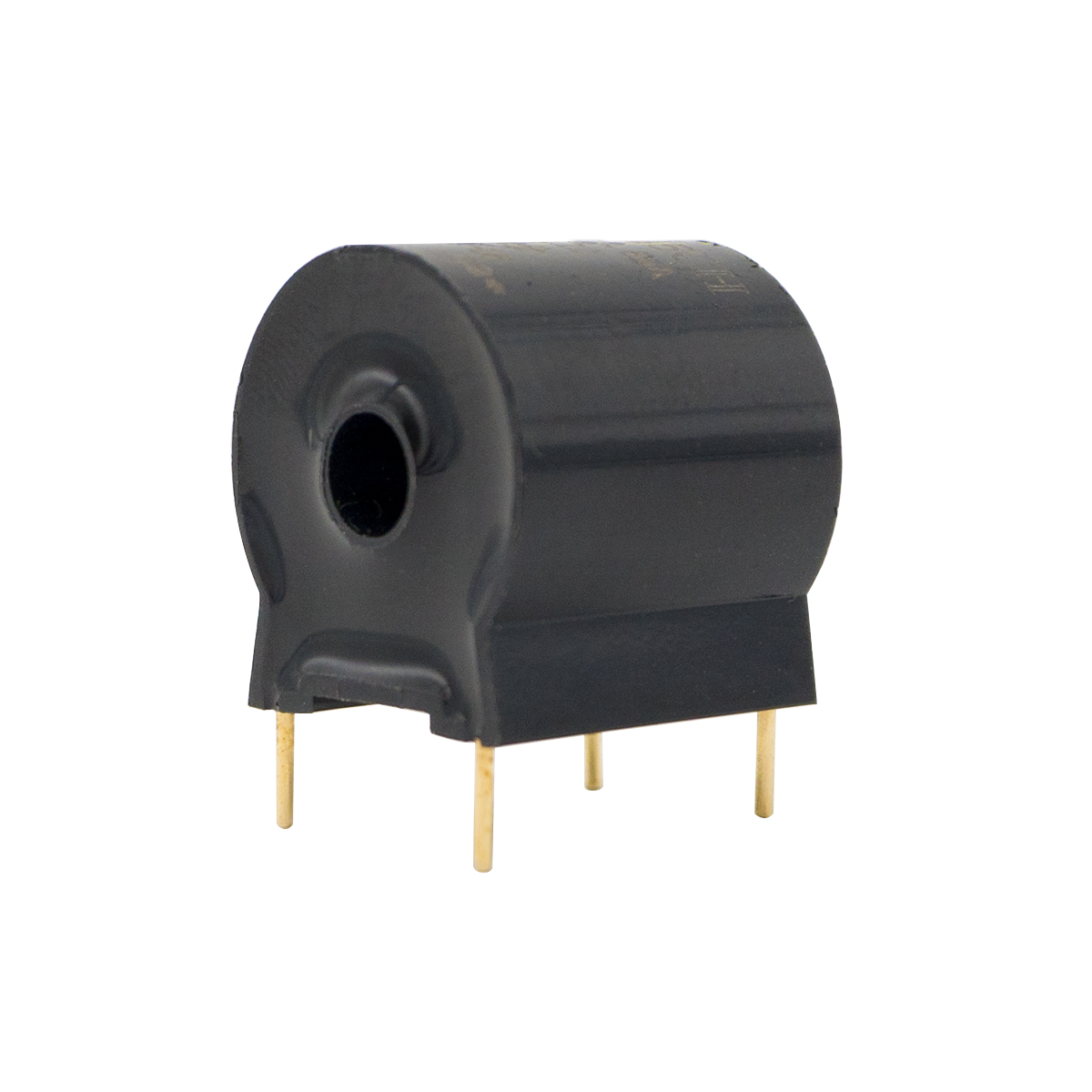
Miniature CTs provide a safe and accurate method for measuring high currents in a wide range of electrical applications. Without the use of these transformers, electrical monitoring systems would struggle to handle the extreme electrical loads that are common in many industrial, commercial, and residential setups. Furthermore, these transformers ensure that energy meters and other monitoring equipment provide precise readings, which are essential for billing, diagnostics, and system protection.
Choosing the right CT not only prevents potential problems like inaccurate measurements or equipment overload but also ensures that your electrical system functions optimally and safely, safeguarding both personnel and equipment from harm.
Miniature CTs are versatile and can be found in various industries and applications. Some of the most common uses include:
Energy Monitoring Systems: Miniature CTs are used for accurate measurement of energy usage in residential, commercial, and industrial settings, helping with energy consumption monitoring and cost allocation.
Ground Fault Detection: In safety-critical systems, CTs are used to detect current leakage and ground faults, enabling prompt action and system protection.
Power Analyzers: CTs are crucial in diagnosing electrical issues, ensuring that power systems and electrical devices function optimally, and preventing failures.
Control and Distribution Panels: In power distribution systems, CTs measure and monitor current to ensure efficient operation and to prevent electrical overloads.
By selecting the correct CT type for these applications, you can ensure that your systems remain reliable, safe, and accurate. For a deeper dive into all functions and features, check out this detailed guide on the specific working principle of a Miniature Current Transformer.
Wound CTs consist of coils wound around a magnetic core, where the primary winding is directly connected to the electrical system and the secondary winding is used for measuring the current. These types of CTs are ideal for situations where precise measurements of current are required, such as in industrial metering, electrical substations, and heavy-duty electrical systems.
One of the major benefits of wound CTs is their high accuracy. These CTs can handle a wide range of current levels, making them suitable for both low and high current applications. However, they are typically larger and more permanent compared to other types of CTs, which makes them better suited for stationary applications.
Toroidal CTs feature a ring-shaped core through which the primary conductor passes. This design makes Toroidal CTs highly efficient in reducing high currents to a lower, measurable level while maintaining compactness. Since Toroidal CTs don’t require a dedicated primary winding, they offer a more cost-effective solution than wound CTs.
Their space-saving design makes them an excellent choice for installations with limited space, such as smaller electrical systems like HVAC units or household electrical meters. The reduced size and cost make Toroidal CTs an attractive option for residential applications, where smaller footprints are often a requirement.
Split-core CTs are designed for ease of installation, especially in existing systems. These CTs can be opened and clamped around the conductor, allowing for retrofitting without requiring the power to be turned off. This feature makes split-core CTs ideal for situations where downtime is not an option, such as in operational systems that cannot be shut off for installation.
The flexibility to add split-core CTs to live circuits makes them an excellent choice for maintenance and expansion projects, particularly when systems are already operational and require measurement upgrades without interruption.
Bar-type CTs feature a solid metal bar as the primary winding. The electrical conductor is passed through or bolted directly onto the bar, making this design ideal for measuring very high currents. Bar-type CTs are often used in industrial applications where extremely high currents are common, such as in power plants or large manufacturing facilities.
These CTs are robust and durable, capable of withstanding very high electrical flows. However, due to their size and design, they can be more expensive and bulkier compared to other CT types. As such, they are generally used in applications where high current levels are a constant requirement.
Selecting the right CT type depends largely on your specific application requirements. Consider factors like the expected current range, available installation space, and the environment in which the CT will be used. If you're upgrading an existing system and need an easy installation, split-core CTs are often the best choice. For applications that require high accuracy in new builds, wound CTs or Toroidal CTs might be more suitable.
| Type | Description | Key Benefits | Ideal Applications |
|---|---|---|---|
| Wound CTs | Coils wound around a magnetic core, used for industrial metering. | High accuracy, wide current range | Industrial metering, electrical substations |
| Toroidal CTs | Ring-shaped core with primary conductor passing through it. | Compact, cost-effective, space-saving | Residential systems, HVAC units, household meters |
| Split-core CTs | Can be opened and clamped around conductors for easy retrofitting. | Easy installation in live systems | Retrofit applications, maintenance projects |
| Bar-type CTs | Solid metal bar used for very high current applications. | Durable, capable of handling high currents | Power plants, industrial systems, large facilities |
The most important aspect of selecting a Miniature CT is ensuring that the current rating and ratio are suitable for your application. The current rating tells you the maximum current the CT can safely handle, while the ratio determines how much the CT reduces the current. For example, a 100:5 ratio indicates that for every 100 amps flowing through the primary circuit, the CT will produce 5 amps on the secondary side for measurement.
To ensure accurate readings, the CT’s rating should match the expected current levels in your system. Selecting a CT with an appropriate current rating helps prevent overloads, which can lead to inaccurate measurements or even damage to the CT and other connected equipment.
Accuracy is a crucial factor in selecting a Miniature Current Transformer, particularly for applications that require precise measurements, such as energy billing or system diagnostics. CTs are classified by accuracy levels, with lower numbers indicating better precision. For instance, a CT rated at class 0.5 offers more accuracy than a CT rated at class 1.
If you're using a CT for energy metering, it’s important to choose a model with the required accuracy class to ensure that the measurements are reliable. For high-precision applications, such as revenue-grade metering or system protection, choosing a CT with a higher accuracy class (like 0.5 or better) is essential.
The burden rating of a CT refers to the maximum load it can handle without compromising its accuracy. This includes the load from connected measuring devices as well as the length of wiring. When selecting a CT, make sure its burden rating matches the requirements of your system. If there are many devices connected to the CT or if the wiring is particularly long, it may be necessary to choose a CT with a higher burden rating.
If the burden exceeds the CT's rated capacity, the accuracy of the readings may be affected, leading to faulty measurements and potential system inefficiencies.
The environment in which the CT will be installed plays a significant role in its performance. Factors like temperature, humidity, dust, and exposure to chemicals can affect the accuracy and lifespan of a CT. For instance, CTs used in outdoor or industrial environments must be resistant to extreme temperatures and humidity, while those used in clean, dry environments may have fewer durability requirements.
Choosing a CT with an appropriate environmental rating ensures that it will perform reliably over time, regardless of external conditions. Make sure the CT you select is designed for the environment it will be placed in.
The size of the available space and the installation configuration are key factors in selecting the right Miniature CT. Some CTs, like Toroidal or split-core types, are designed for easy installation in tight spaces. Ensure that the CT you choose can fit comfortably within your electrical system’s configuration, especially if the system has limited space.
Be sure to check the dimensions and design of the CT to ensure it will work seamlessly with your installation setup. Proper fitting prevents installation challenges and ensures the CT functions as intended.
| Factor | Description | Why It Matters | Recommendations |
|---|---|---|---|
| Current Rating & Ratio | The maximum current the CT can safely handle and how much it reduces the current. | Ensures safe and accurate measurement | Match the CT’s rating with system current levels. |
| Accuracy Classes | The precision of the CT, indicated by its accuracy class (e.g., 0.5, 1). | Important for metering and diagnostics | Choose a CT with the required accuracy for your needs. |
| Burden Rating | The maximum load the CT can handle without compromising accuracy. | Affects the CT’s performance | Choose a CT with an adequate burden rating for your system. |
| Environmental Factors | Conditions like temperature, humidity, and exposure to dust. | Influences the CT's longevity and reliability | Ensure the CT is rated for the environment where it will be used. |
| Installation Space | The available space for installing the CT. | Affects ease of installation | Choose a compact CT if space is limited, like Toroidal or Split-core CTs. |

Correct wiring is essential for the accurate operation of a Miniature Current Transformer (CT). The primary and secondary windings must be connected properly to ensure accurate current measurement. Always follow the direction markers on the CT—P1/P2 for the primary side and S1/S2 for the secondary side. These markers help maintain proper polarity, which is crucial for accurate data transmission. Incorrect wiring can result in improper measurements, leading to inaccurate energy readings. This may not only affect system performance but also lead to energy inefficiencies, incorrect billing, and potential system malfunctions. Thus, always double-check wiring before activation to ensure that everything is connected correctly.
Safety should be a top priority when installing a Miniature Current Transformer. Improper installation can lead to hazardous situations, especially when working with high-voltage circuits. One critical safety consideration is ensuring that the secondary circuit is always properly connected before activating the primary side. Leaving the secondary circuit disconnected while the primary is live could create high-voltage conditions that are dangerous to both people and equipment. Proper grounding of the CT is also essential to prevent electric shock or short-circuiting. Additionally, use suitable short-circuit protection devices to safeguard the system from potential overloads during installation. This will ensure both the protection of personnel and the equipment, preventing any electrical hazards during the setup process.
When installing a Miniature Current Transformer, several common mistakes can negatively impact performance. One of the most frequent issues is selecting the wrong current ratio for the application. It’s important that the CT’s current ratio matches the system's requirements to prevent inaccurate readings. Additionally, failing to consider the environment in which the CT will be placed can lead to performance issues. For instance, extreme temperature or humidity may affect the CT’s accuracy and longevity. Always ensure that the CT is designed for the environmental conditions where it will be installed. Using the wrong CT for the wrong setting can lead to inefficient operation, inaccuracies in measurement, and even system failures. Double-checking the specifications and environmental suitability of the CT is crucial before installation.
Regular maintenance is vital for the continuous, accurate operation of your Miniature Current Transformer. Routine inspections help to detect wear and tear that can affect performance. Check the CT for any visible damage such as cracks in the housing or overheating signs, which could indicate a malfunction. Loose connections should also be checked, as they can cause unreliable measurements. Keeping the CT clean and free from debris will prevent dirt or dust from interfering with the internal components and affecting accuracy. Periodically inspect the CT to ensure that no damage has occurred, especially if it’s been exposed to harsh environmental conditions. This proactive approach helps to maintain the CT’s reliability and ensures that it continues to perform at peak efficiency.
Calibration is essential to ensure that the Miniature Current Transformer delivers precise and reliable measurements. Over time, even high-quality CTs may experience slight variations in their readings, so regular calibration is necessary. This is particularly important for CTs used in applications like energy metering or system diagnostics, where accuracy is critical. Follow the manufacturer’s recommended calibration intervals and procedures to maintain the CT’s accuracy. Proper calibration ensures that your CT continues to provide the correct data, preventing errors in energy measurement or system analysis. Calibration can also help identify any wear that may impact the CT’s ability to function properly, allowing for corrective actions to be taken before performance is compromised.
To extend the operational life and performance of your Miniature Current Transformer, it’s important to track maintenance activities and conduct performance testing on a regular basis. This includes checking for signs of aging, such as gradual degradation in accuracy, which could affect the CT's reliability. Timely detection of issues, such as physical damage to the housing or internal components, can prevent major failures and costly repairs. It’s also important to keep records of all inspections and maintenance activities to identify potential patterns of wear. By maintaining a scheduled routine of testing and care, you can ensure that the CT remains in optimal working condition for many years, ensuring continuous accurate measurements and system stability. Regular monitoring of performance will give you peace of mind that your CT is working effectively and reducing the likelihood of unexpected system downtime or errors.
Choosing the right Miniature Current Transformer requires careful evaluation of current ratings, accuracy, environmental factors, and installation requirements. By understanding the different CT types and their specific uses, you can optimize your electrical system’s performance and safety.
For those looking for high-quality, reliable solutions, Hubei Tianrui Electronics Co., Ltd. offers a range of Miniature Current Transformers that cater to various industrial and residential needs. Their products ensure both accuracy and reliability, providing long-term value to your electrical installations.
A: A Miniature Current Transformer (CT) is a device used to safely measure high electrical currents by stepping down the current to a manageable, measurable value. This is crucial for protecting equipment and ensuring accurate monitoring.
A: To choose the right CT, consider factors like current ratings, accuracy class, burden rating, and environmental conditions. Ensure it fits your system’s requirements to maintain efficiency and safety.
A: Accuracy ensures precise energy measurement, critical for applications like energy billing or system diagnostics. Choosing a CT with the appropriate accuracy class helps maintain the integrity of your electrical system.
A: Miniature CTs are used in energy monitoring, ground fault detection, power analyzers, and control panels. They are vital for systems requiring high current measurement while ensuring safety and accuracy.
A: The cost of Miniature CTs varies depending on factors like accuracy, size, and application. Generally, higher accuracy and specialized CTs are more expensive, but they provide greater value in precision and reliability.